PLK is a social enterprise which offers training to young people who leave school with no qualifications.The young people are trained by PLK chefs to prepare food which is sold at local markets or sporting events.Choosing the right method of promotion is important. The manager of PLK thinks that to increase profit it is better to raise prices rather than use cheaper food ingredients.
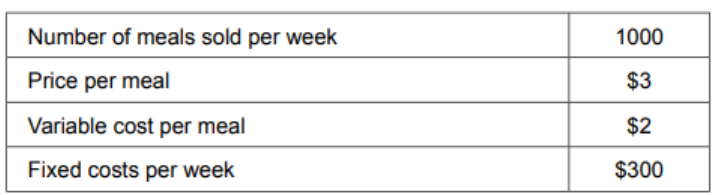
This is Question:
07:Identify and explain two methods of promotion PLK might use to increase sales.[6]
Possible KN Points:
>Free samples.
>Use loyalty cards / schemes.
>Sponsorship OR public relations.
>Competitions.
>Free gifts.
>Use of specific price promotions such as BOGOF, money off coupons or short-term discounts (allow only once).
Ad blocker detected: Our website is made possible by displaying online advertisements to our visitors. Please consider supporting us by disabling your ad blocker on our website.
07:Identify and explain two methods of promotion PLK might use to increase sales.[6]
Ch 10 Marketing, competition and the customer
Return to “Ch 10 Marketing, competition and the customer”
Jump to
- Students Den
- ↳ Assignments & Announcements!
- AS Level Business
- ↳ Unit 1: Business & its Environment
- ↳ Ch 1 Enterprise
- ↳ Ch 2 Business structure
- ↳ Ch 3 Size of business
- ↳ Ch 4 Business objectives
- ↳ Ch 5 Stakeholders in a business
- ↳ Unit 2: Human Resource Management
- ↳ Ch 10 Human resource management
- ↳ Ch 11 Motivation
- ↳ Ch 12 Management
- ↳ Unit 3: Marketing
- ↳ Ch 17 The nature of marketing
- ↳ Ch 18 Market research
- ↳ Ch 19 The marketing mix – product and price
- ↳ Ch 20 The marketing mix – promotion and place
- ↳ Unit 4: Operations Management
- ↳ Ch 23 The nature of operations
- ↳ Ch 24 Inventory management
- ↳ Ch 25 Capacity utilisation and outsourcing
- ↳ Unit 5: Finance & Accounting
- ↳ Ch 29 Business finance
- ↳ Ch 30 Forecasting and managing cash flows
- ↳ Ch 31 Costs
- ↳ Ch 32 Budgets
- IGCSE Business
- ↳ Unit 1: Understanding Business Activity
- ↳ Ch 1 Business activity
- ↳ Ch 2 Classification of businesses
- ↳ Ch 3 Enterprise, business growth and size
- ↳ Ch 4 Types of business organisation
- ↳ Ch 5 Business objectives and stakeholder objectives
- ↳ Unit 2: People in Business
- ↳ Ch 6 Motivating employees
- ↳ Ch 7 Organisation and management
- ↳ Ch 8 Recruitment, selection and training of employees
- ↳ Ch 9 Internal and external communication
- ↳ Unit 3: Marketing
- ↳ Ch 10 Marketing, competition and the customer
- ↳ Ch 11 Market research
- ↳ Ch 12 The marketing mix: product
- ↳ Ch 13 The marketing mix: price
- ↳ Ch 14 The marketing mix: place
- ↳ Ch 15 The marketing mix: promotion
- ↳ Ch 16 Technology and the marketing mix
- ↳ Ch 17 Marketing strategy
- ↳ Unit 4: Operations management
- ↳ Ch 18 Production of goods and services
- ↳ Ch 19 Costs, scale of production and break-even
- ↳ Ch 20 Achieving quality production
- ↳ Ch 21 Location decisions
- ↳ Unit 5: Financial Information and Financial Decisions
- ↳ Ch 22 Business finance: needs and sources
- ↳ Ch 23 Cash flow forecasting and working capital
- ↳ Ch 24 Income statements
- ↳ Ch 25 Statement of financial position
- ↳ Ch 26 Analysis of accounts
- ↳ Unit 6: External Influences on Business Issues
- ↳ Ch 27 Economic issues
- ↳ Ch 28 Environmental and ethical issues
- ↳ Ch 29 Business and the international economy