LWM uses batch production to make car tyres in 15 different sizes. Last year LWM sold 60 million tyres including 40 million tyres of its best-selling size. The Finance Director has been looking at the financial data shown in the Table. She said: ‘Liquidity is important. I need to do some ratio analysis to measure business performance. In the previous year our Return on Capital Employed was 33%.’ The directors are worried about increased competition but they cannot decide on the best way for LWM to respond.
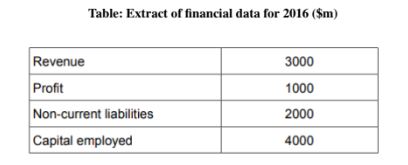
26 Explain two ways LWM might respond to increased competition. Recommend which way LWM should
choose. Justify your answer. [6]
Possible KN Points:
• Introduce new products
• Lower prices
• Merge or takeover
• Advertise OR use promotion
• Keep costs low
• Keep improving existing products OR quality
• Provide good customer service
Ad blocker detected: Our website is made possible by displaying online advertisements to our visitors. Please consider supporting us by disabling your ad blocker on our website.
26 Explain two ways LWM might respond to increased competition. Recommend which way LWM should......[6]
Ch 19 Costs, scale of production and break-even
-
BASEL Moderator
- Grand Commerce Guru
- Posts: 216
- Joined: Fri Dec 05, 2025 8:35 pm
Return to “Ch 19 Costs, scale of production and break-even”
Jump to
- Students Den
- ↳ Assignments & Announcements!
- AS Level Business
- ↳ Unit 1: Business & its Environment
- ↳ Ch 1 Enterprise
- ↳ Ch 2 Business structure
- ↳ Ch 3 Size of business
- ↳ Ch 4 Business objectives
- ↳ Ch 5 Stakeholders in a business
- ↳ Unit 2: Human Resource Management
- ↳ Ch 10 Human resource management
- ↳ Ch 11 Motivation
- ↳ Ch 12 Management
- ↳ Unit 3: Marketing
- ↳ Ch 17 The nature of marketing
- ↳ Ch 18 Market research
- ↳ Ch 19 The marketing mix – product and price
- ↳ Ch 20 The marketing mix – promotion and place
- ↳ Unit 4: Operations Management
- ↳ Ch 23 The nature of operations
- ↳ Ch 24 Inventory management
- ↳ Ch 25 Capacity utilisation and outsourcing
- ↳ Unit 5: Finance & Accounting
- ↳ Ch 29 Business finance
- ↳ Ch 30 Forecasting and managing cash flows
- ↳ Ch 31 Costs
- ↳ Ch 32 Budgets
- IGCSE Business
- ↳ Unit 1: Understanding Business Activity
- ↳ Ch 1 Business activity
- ↳ Ch 2 Classification of businesses
- ↳ Ch 3 Enterprise, business growth and size
- ↳ Ch 4 Types of business organisation
- ↳ Ch 5 Business objectives and stakeholder objectives
- ↳ Unit 2: People in Business
- ↳ Ch 6 Motivating employees
- ↳ Ch 7 Organisation and management
- ↳ Ch 8 Recruitment, selection and training of employees
- ↳ Ch 9 Internal and external communication
- ↳ Unit 3: Marketing
- ↳ Ch 10 Marketing, competition and the customer
- ↳ Ch 11 Market research
- ↳ Ch 12 The marketing mix: product
- ↳ Ch 13 The marketing mix: price
- ↳ Ch 14 The marketing mix: place
- ↳ Ch 15 The marketing mix: promotion
- ↳ Ch 16 Technology and the marketing mix
- ↳ Ch 17 Marketing strategy
- ↳ Unit 4: Operations management
- ↳ Ch 18 Production of goods and services
- ↳ Ch 19 Costs, scale of production and break-even
- ↳ Ch 20 Achieving quality production
- ↳ Ch 21 Location decisions
- ↳ Unit 5: Financial Information and Financial Decisions
- ↳ Ch 22 Business finance: needs and sources
- ↳ Ch 23 Cash flow forecasting and working capital
- ↳ Ch 24 Income statements
- ↳ Ch 25 Statement of financial position
- ↳ Ch 26 Analysis of accounts
- ↳ Unit 6: External Influences on Business Issues
- ↳ Ch 27 Economic issues
- ↳ Ch 28 Environmental and ethical issues
- ↳ Ch 29 Business and the international economy